A sample approval is most useful when the sample, drawing, installation conditions and decision are all traceable to the same product configuration. This checklist helps buyers prepare that review. Use the project drawing and purchase specification for dimensions and acceptance limits; this guide does not set universal tolerances or test criteria.
Sample approval records that the reviewed sample meets the buyer's stated requirements for the identified configuration and inspection conditions. It does not certify every size in a product family, prove the performance of a complete roof or wall assembly, or replace a product-specific test report, certificate or production inspection plan.
Record the supplier's part number, enquiry or order reference, drawing number and revision, sample identification, receipt date and sample quantity. If a batch or lot code is available, record it with the sample.
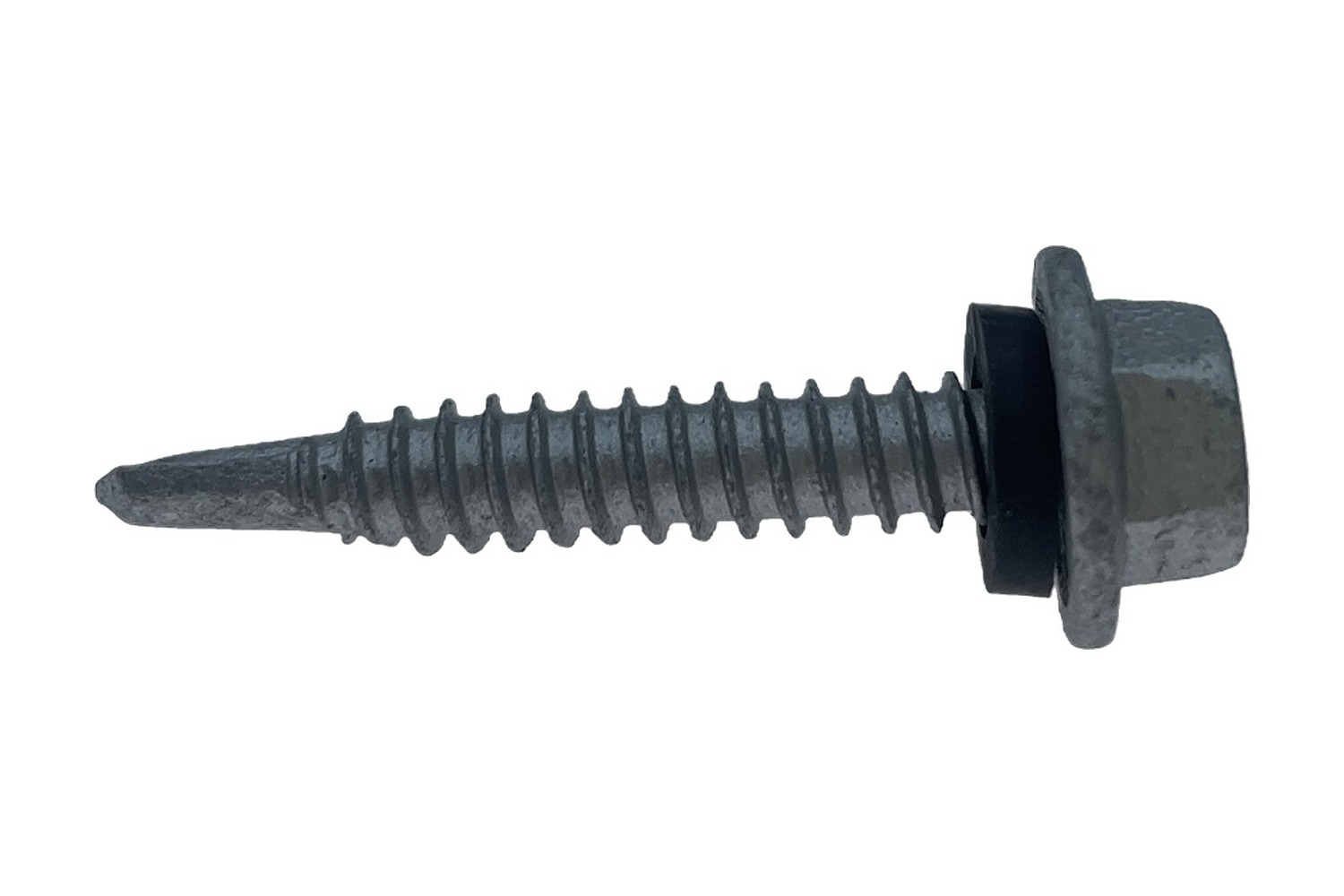
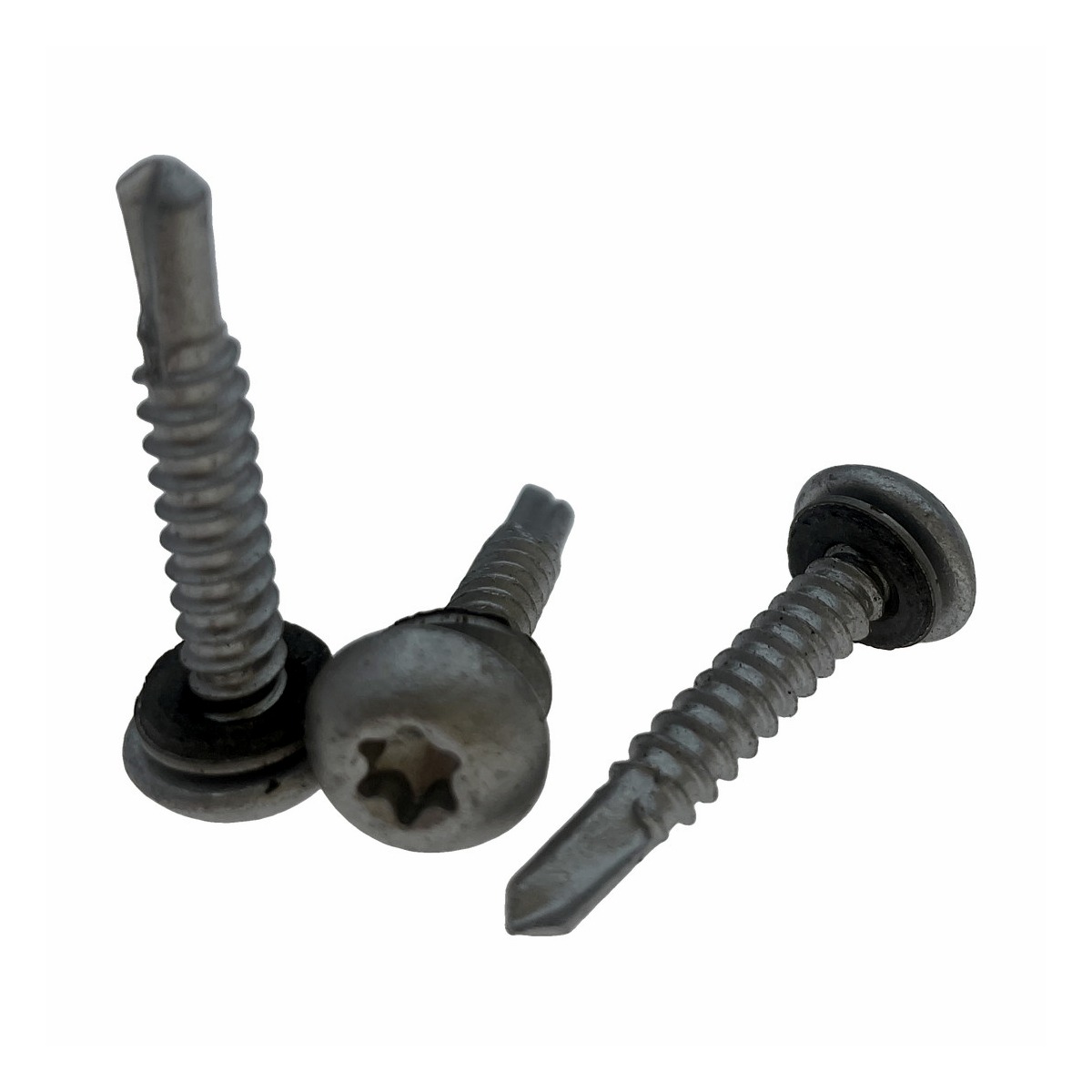
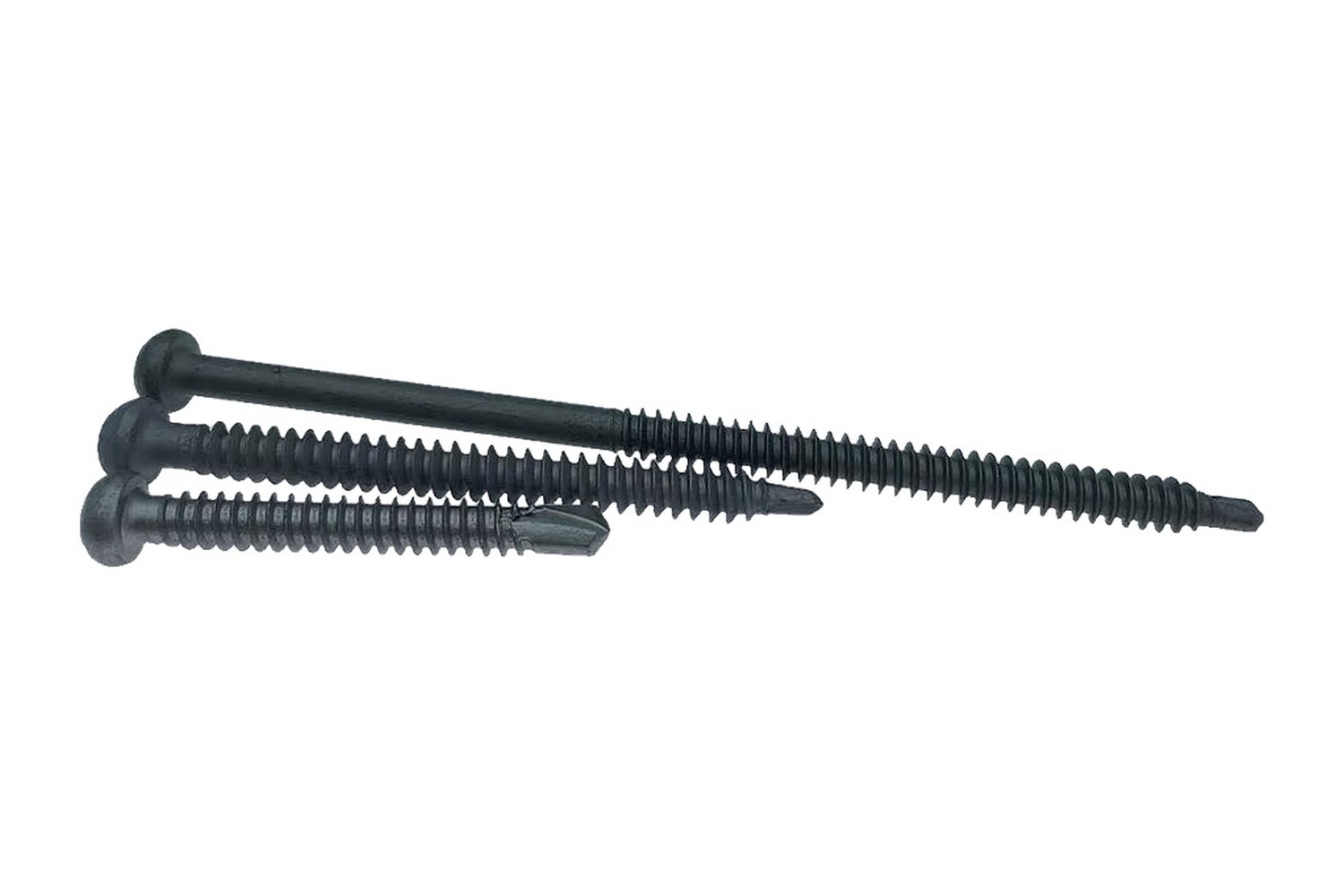
Describe the configuration rather than relying on a general family name. Include the fastener material, diameter, length and length datum, head and drive, thread and point, finish, washer or plate, and any included nut or accessory. Mark items that are not part of the supplied assembly.
If the sample differs from the drawing or quotation, write down the difference before testing. Do not treat a verbal explanation as a drawing revision or an accepted deviation.
Check the characteristics identified as critical in the drawing or purchase specification. These commonly include overall length and its measurement datum, diameter, head dimensions, drive recess, thread form, point geometry, washer dimensions and assembled height.
Use the inspection method and acceptance limits agreed for the order. Record the instrument or gauge used, the result and any measurement uncertainty that affects the decision. A visual match to a photograph is not a substitute for a dimensioned drawing.
Also inspect workmanship and assembly where applicable: cracks, burrs, damaged drive features, visible finish defects, point-to-body joint condition, washer alignment and bonding. The applicable checks depend on the product construction and the purchase specification.
Use a representative build-up that matches the intended connection. Record the support material and thickness, connected layers, panel or board profile, fastening position, washer or plate orientation, and any pilot-hole requirement.
Use the specified bit or socket and installation tool. Record relevant settings and the installation sequence. Observe whether the fastener starts, drills or taps as intended, seats correctly, and leaves the washer or plate in the specified condition. Note any damage, spinning, misalignment, incomplete engagement or other failure.
One successful installation is not proof of structural capacity, wind-uplift resistance, corrosion life or suitability for every substrate. Those claims need evidence for the exact product, test conditions and, where relevant, the complete assembly.
For each requested drawing, material record, certificate or test report, compare the stated product identity with the sample and the order requirement. Check the document title, revision or date, sample or model identification, test method and reported conditions. Ask the supplier to explain any difference in scope before accepting the document as evidence for the offered configuration.
Do not infer a product approval from a logo, a generic certificate image or a report for a different size or finish. Keep the original document and the supplier's written scope confirmation with the approval record.
Use a clear disposition: approved, rejected, or approval pending specified corrections or evidence. List every open item, the responsible party and the required close-out date. If a deviation is accepted, identify it on the approved drawing or deviation record.
State what must remain unchanged in production: drawing revision, materials, finish, component combination, critical dimensions, packaging and required inspection records. Agree how a proposed change will be reviewed before it is supplied. Define any first-article, lot inspection or independent testing requirements in the order documents.
| Record item | Information to capture |
|---|---|
| Product identity | Part number, configuration and order reference |
| Document control | Drawing number, revision and accepted deviations |
| Sample traceability | Sample ID, quantity, date and available lot code |
| Inspection | Characteristics, method, acceptance limits and results |
| Installation trial | Build-up, tool, settings, sequence and observations |
| Supporting evidence | Document name, revision, sample scope and open questions |
| Disposition | Decision, approver, date and production conditions |
No. Sample approval is a buyer's recorded decision about a specific sample and stated requirements. A certificate or test report has its own issuer, scope, sample identity and conditions; review those separately.
Set the quantity and inspection level in the purchase plan based on the product risk, variation, order size and required evidence. There is no single sample count that is appropriate for every fastener or project.
Ask the supplier to identify the change and its effect on the approved drawing, materials, process and evidence. Review the affected characteristics and repeat the relevant approval checks before accepting the changed configuration.
For a quotation review, send the drawing revision, intended connection, substrate and thickness, finish requirement, quantity and requested documents. This gives the supplier a defined basis for proposing a configuration and stating what evidence is available.
Product-family examples. Confirm the offered configuration and supporting documents before approval.