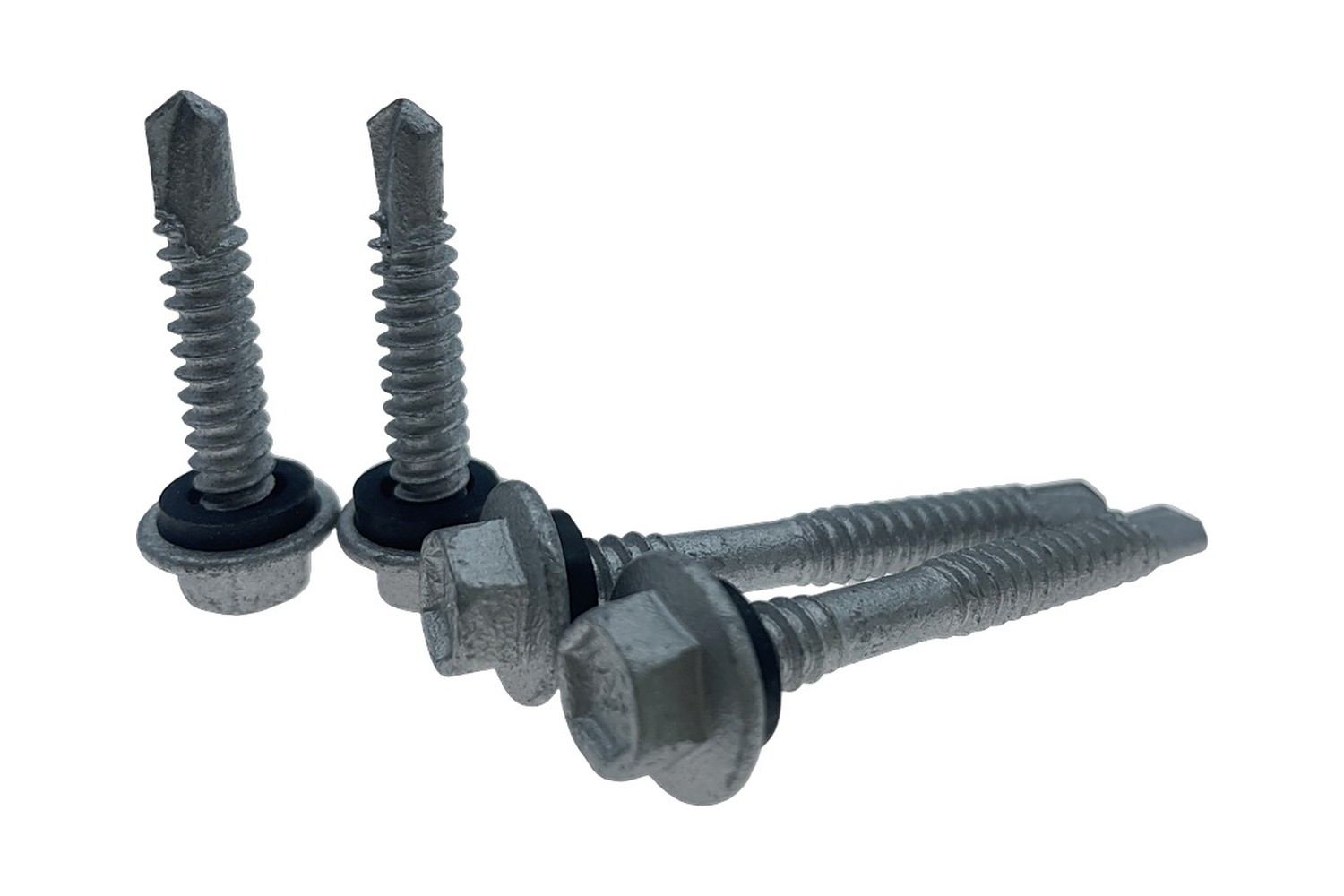
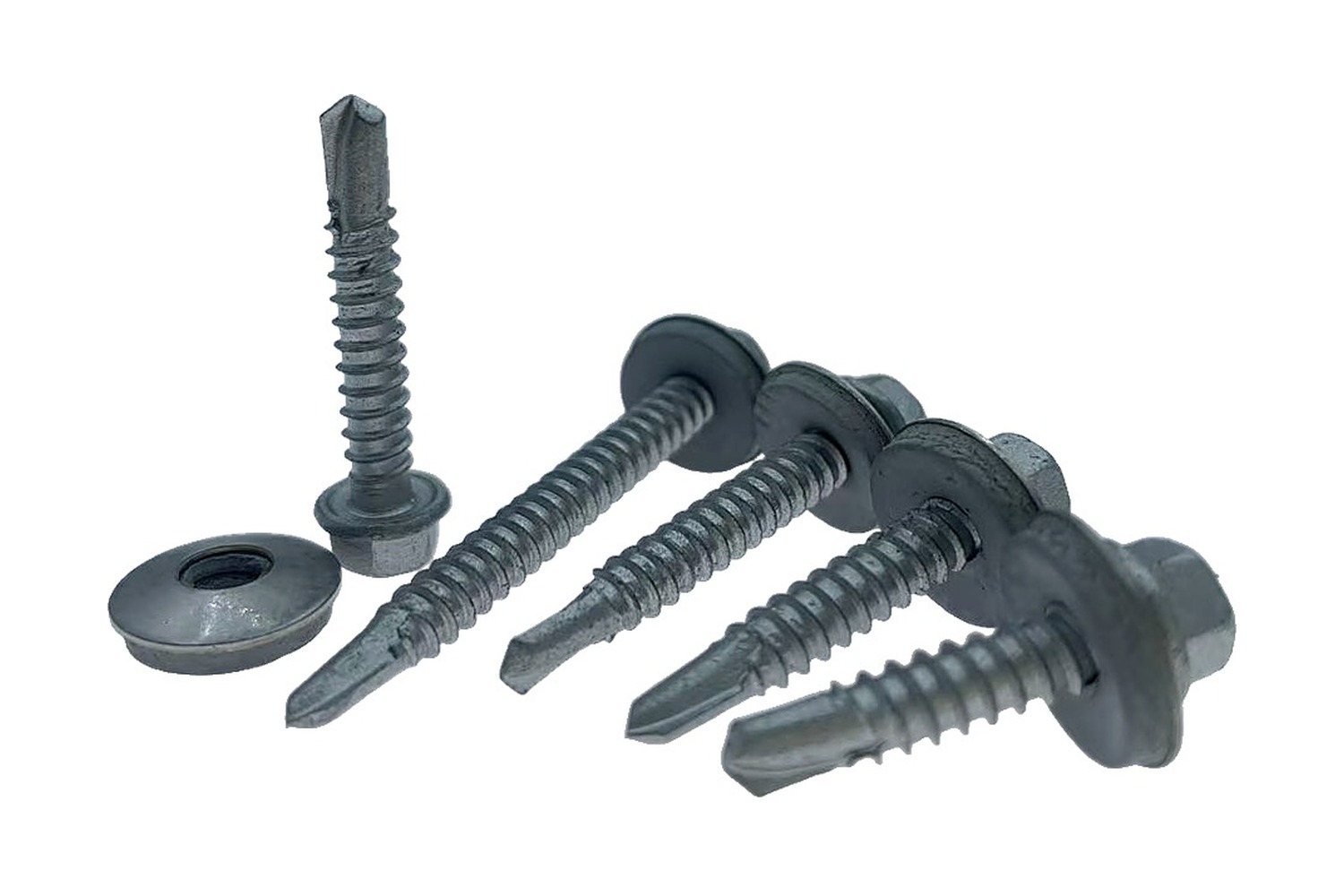
AS 3566.2 sets corrosion-resistance requirements for applicable self-drilling screws. A compliance statement needs to be assessed against the edition named by the project and evidence for the offered product. Do not assume the Class 3/Class 4 corrosion categories used in older references remain performance classes in the 2025 edition; the current edition uses “Class” for packaging and labelling.
As checked on 14 November 2026, the Standards Australia catalogue lists AS 3566.2:2025 as current and identifies it as a new edition to AS 3566.2:2002. Specifications and older reports may refer to different editions. Record both the edition required for the order and the edition assessed by the submitted evidence.
Sources: Standards Australia catalogue entry for AS 3566.2:2025; AS 3566.2:2025 listing and preview.
Review the product identity and configuration covered by the report: screw type, diameter, point, material, finish, washer where relevant, specimen preparation, method, acceptance criteria, test result, laboratory and report date. A result for one sample or configuration does not establish compliance for every size, finish, production lot or installed connection.
Ask the supplier to identify the exact statement in the report that supports the project requirement. A coating description, nominal film thickness, test duration or generic certificate image is not, by itself, evidence that a particular product meets a corrosion class.
A report prepared to an earlier edition should not automatically be presented as evidence to a later edition. Do not reuse the familiar 2002 Class 3/Class 4 salt-spray-hour and Kesternich-cycle table as if those figures were the 2025 edition's class criteria. Ask the responsible technical party to explain the scope comparison against the full current standard and confirm whether additional assessment is needed for the offered variant and project specification.
Accelerated laboratory exposure describes a result under stated conditions. It does not convert directly into years of outdoor service. Installation damage, water retention, deposits, material contact, roof geometry, drainage and maintenance all affect field exposure.
Review the screw body and point, coating, washer backing, roof sheet and supporting steel together. Consider the site atmosphere, sheltered or unwashed areas, condensation and contact between dissimilar materials. A corrosion class alone does not establish compatibility of every roof assembly.
| Check | Record |
|---|---|
| Required reference | Full standard designation and edition in the project specification |
| Offered product | Drawing, product code, diameter, point, material, finish and washer |
| Supporting report | Issuer, report number, date, specimen identity, method and assessed result |
| Scope comparison | Written explanation of any edition, size, finish or configuration difference |
| Project conditions | Roof sheet, support, exposure, drainage and material-contact details |
| Decision record | Accepted evidence, limitations, responsible reviewer and approved variant |
State the evidence and acceptance requirement in the purchase documents. Where the available report does not identify the ordered configuration or required edition, resolve that gap before product approval.
Product-family examples. Confirm the offered configuration and supporting documents before approval.