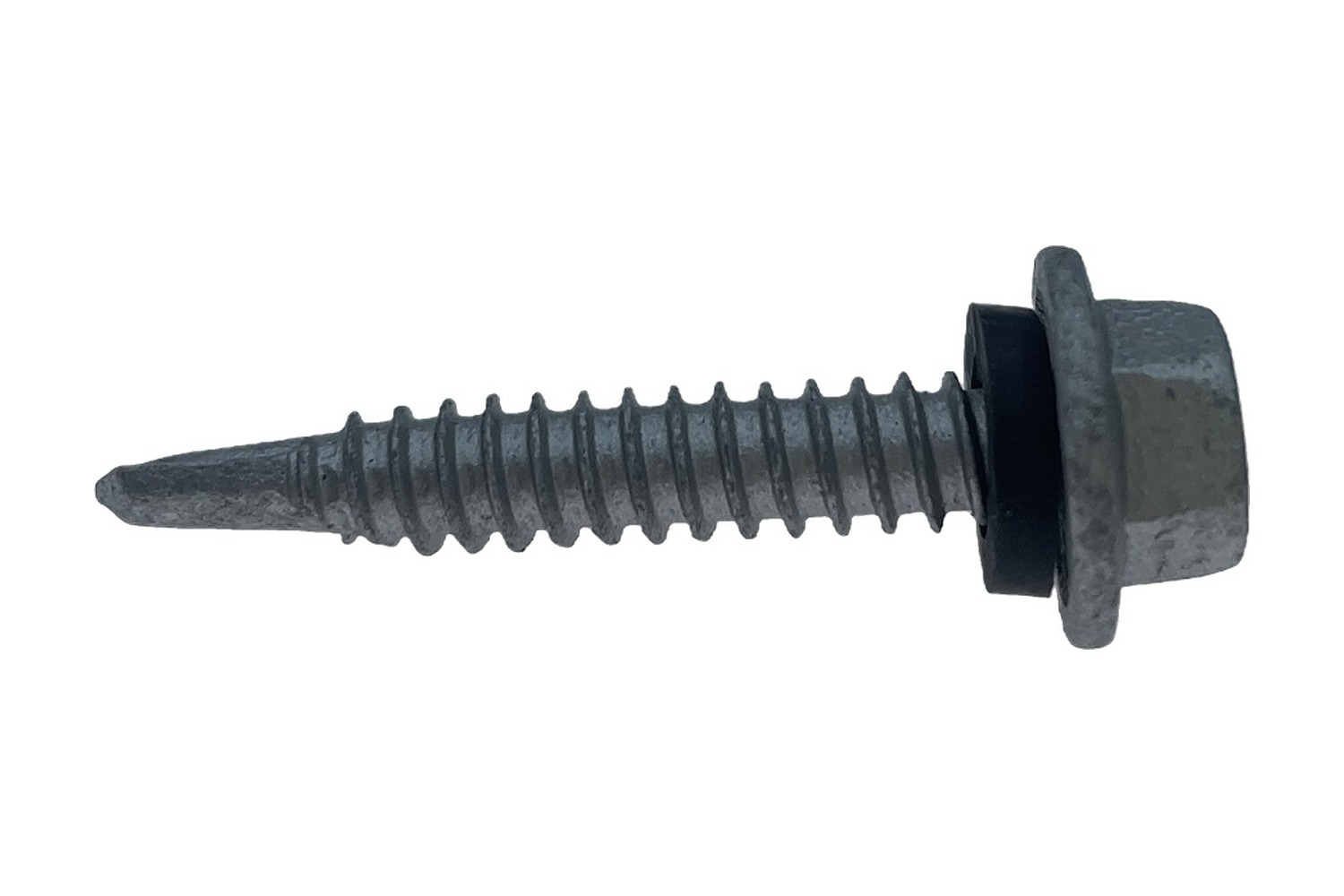
Wall cladding panel
Identify panel profile, material, thickness, orientation and the specified fastening position. The wall-panel detail defines where the fastener bears.
Wall cladding screws connect a profiled sheet to a girt while keeping the panel seated and its weathering detail intact. Select around the wall profile, support and exposure, not by reusing a roof schedule.
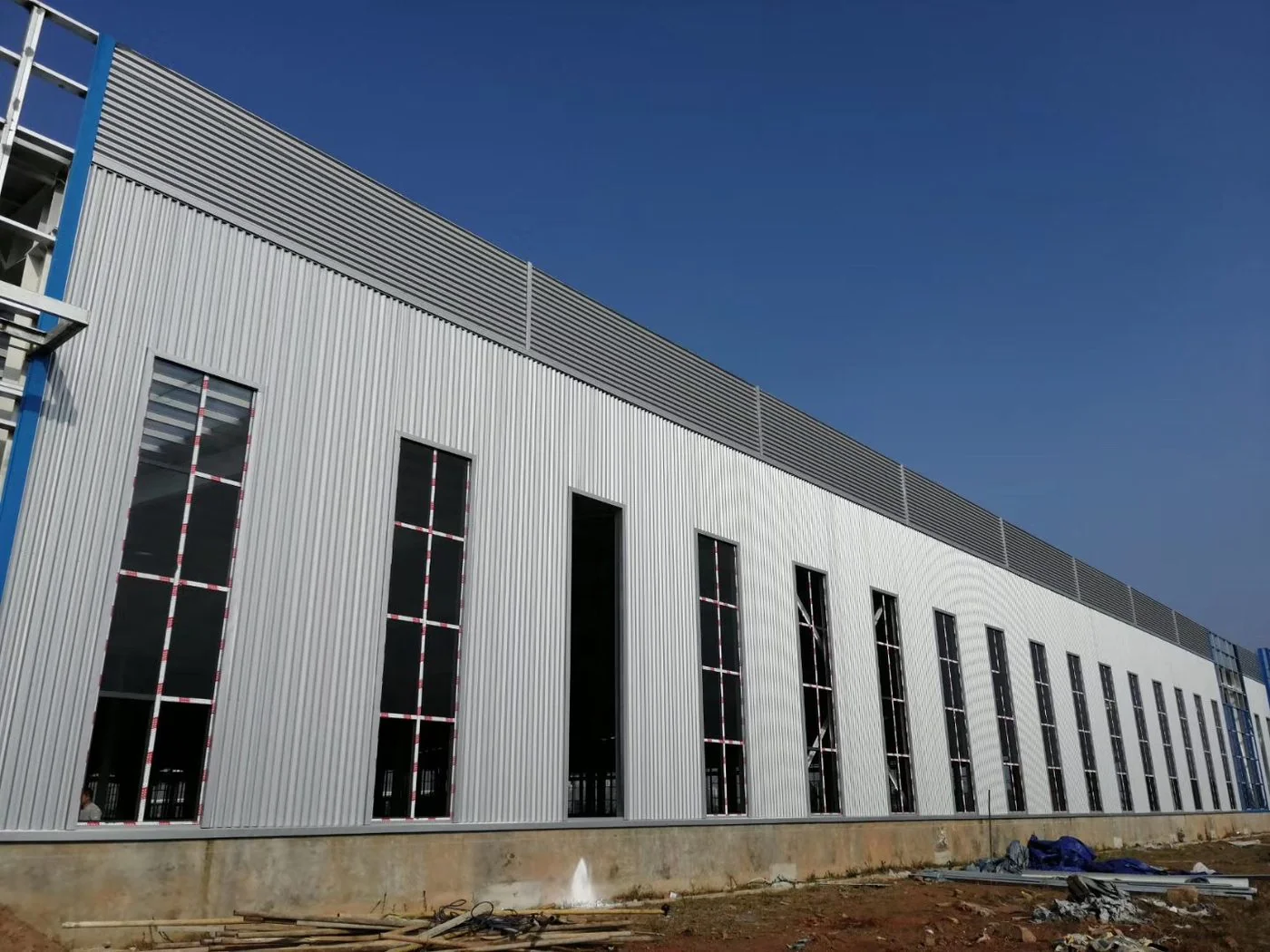
Use this guide for exposed-fastener wall sheets fixed to steel girts. Confirm the cladding supplier detail for panel orientation, support position, side laps, openings and perimeter zones.
These are the parts that control the fastener choice and the evidence needed for approval.
Identify panel profile, material, thickness, orientation and the specified fastening position. The wall-panel detail defines where the fastener bears.
Match the screw head and bonded washer to the panel surface and sealing detail. Correct alignment and seating help avoid panel distortion and a damaged seal.
Confirm girt material, grade and thickness, plus any combined layers. The point must drill the build-up and leave the required thread engagement.
Send these inputs with the drawing or site information so the proposed family can be checked against the actual assembly.
Each answer narrows the correct point, thread, head, material, washer or accessory. It also shows where a product-family label is not enough.
Ask for a connection review| Cladding detail | Panel profile, material, thickness, vertical or horizontal layout, side lap, openings and fixing position |
|---|---|
| Girt build-up | Support grade and thickness, spacing, any bracket or spacer, and the combined layers at the fixing point |
| Screw geometry | Hex washer or other specified head, drill point, length datum, drilling range and thread engagement |
| Sealing and movement | Washer profile and backing, panel movement allowance, lap direction and flashing or perimeter interfaces |
| Wind zone and exposure | Engineer or panel-supplier schedule for field, edge and corner zones; coating/material compatibility for site exposure |
These families answer different jobs inside the connection. Open the family or product detail to confirm the exact offered variant.
Hex washer head self-drilling screws with bonded EPDM washers for the specified wall sheet and girt detail. Confirm fastener position and washer seating with the panel supplier.
304 bi-metal and zinc-tin coated families address different material and exposure requirements. Long-point variants need checking against the actual combined steel build-up.
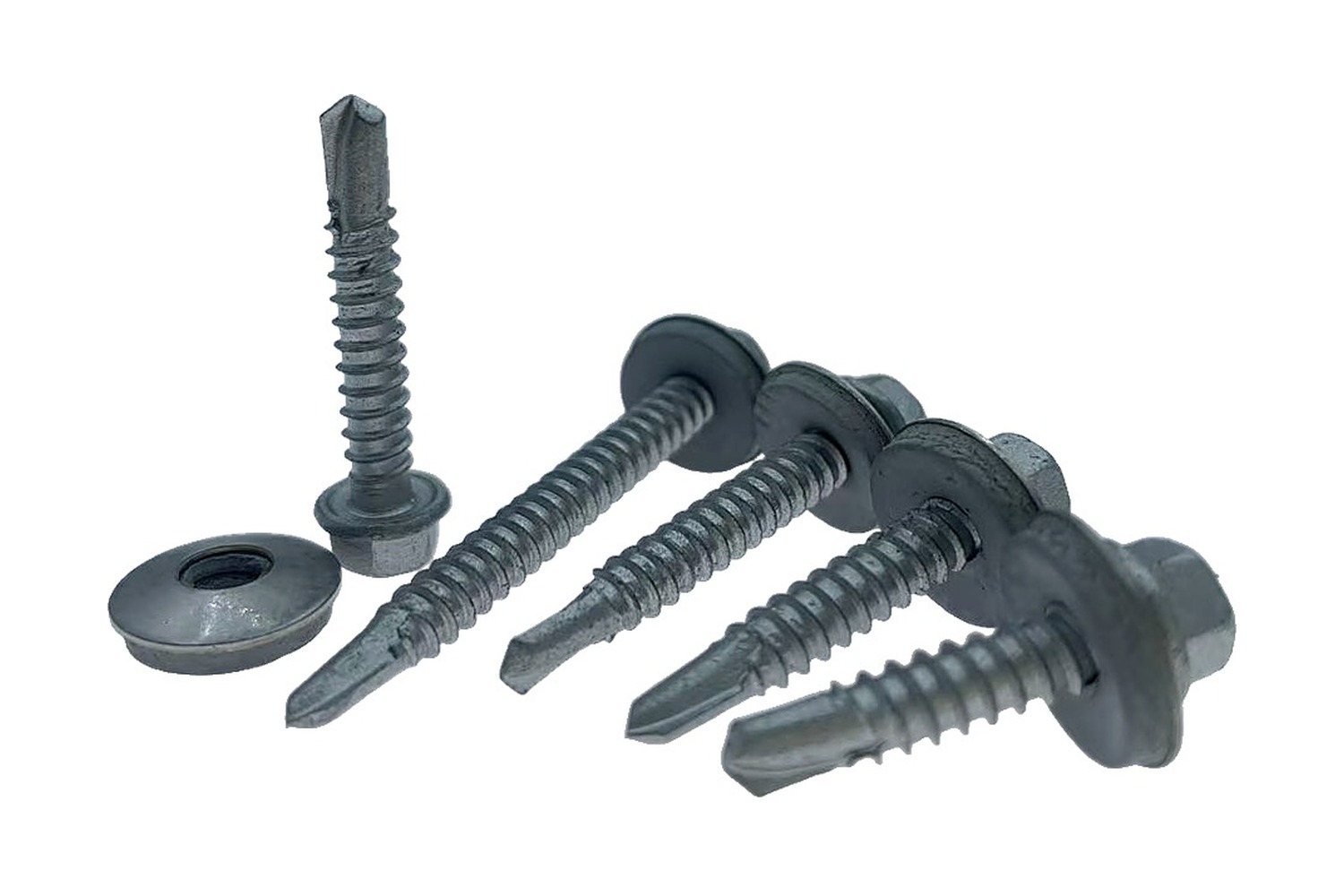 BFS-SDS-005
Ruspert Coated 304 Bi-Metal Self-Drilling Screw
304 stainless body and hardened drilling point with a Ruspert ceramic coating as standard. Select the coating, washer and point for the actual panel and steel support.
View technical detail
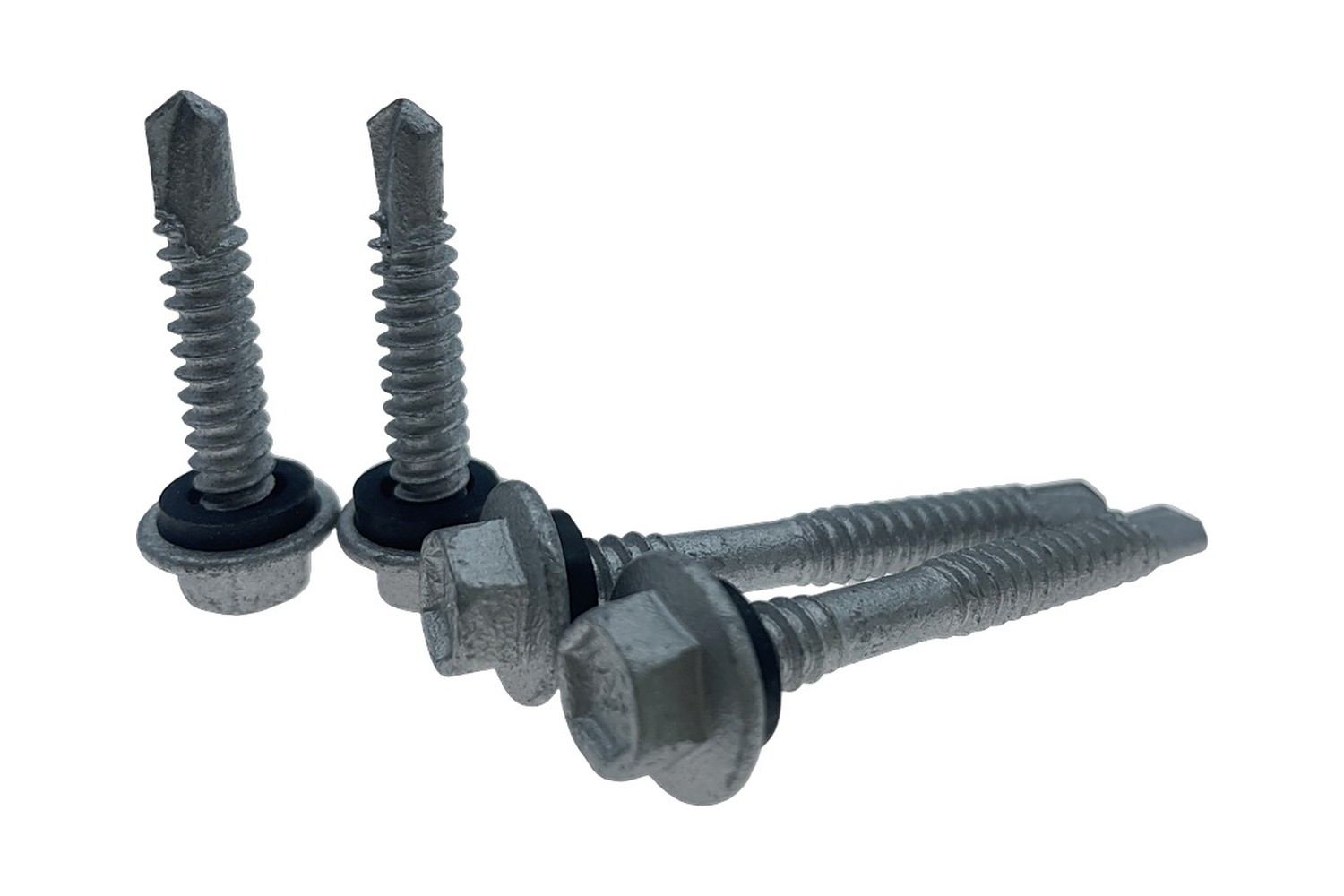 BFS-SDS-004
Zinc-Tin Alloy Coated Self-Drilling Roofing Screw
Coated carbon steel drilling screw for specified roofing and cladding details. Request the exact coating designation, application-specific drill data and relevant corrosion report.
View technical detail
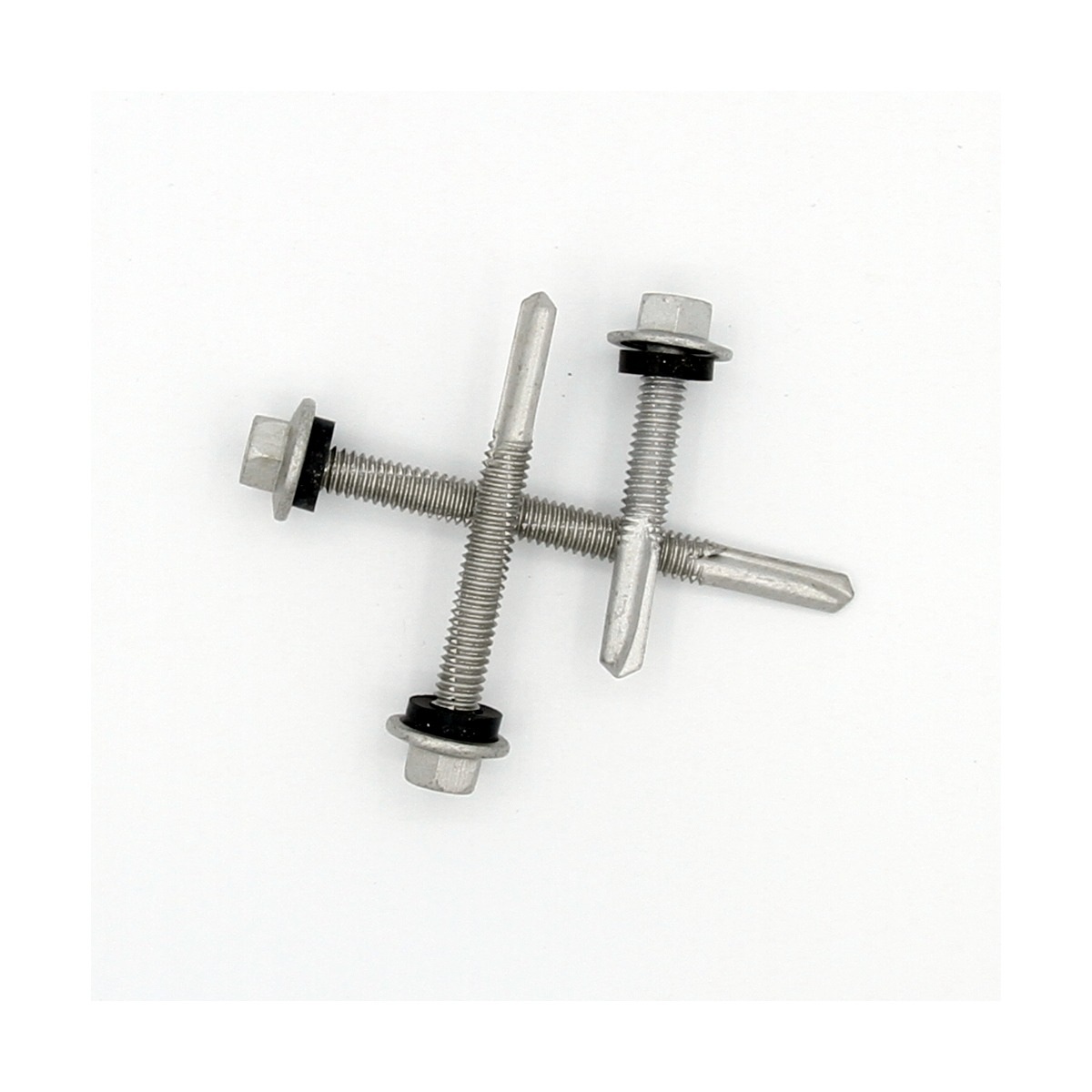 BFS-SDS-006
Coated Carbon Steel #5 Drill-Point Screw
Coated carbon steel hex washer head self-drilling screw with a #5 point and EPDM composite washer. The same product family can be supplied with a twist-flute point for very thick steel; confirm the point, coating and drilling range for the ordered variant.
View technical detail
Washer profile, backing and outside diameter must match the screw head and cladding surface. A washer cannot compensate for an unsuitable fixing position or distorted panel.
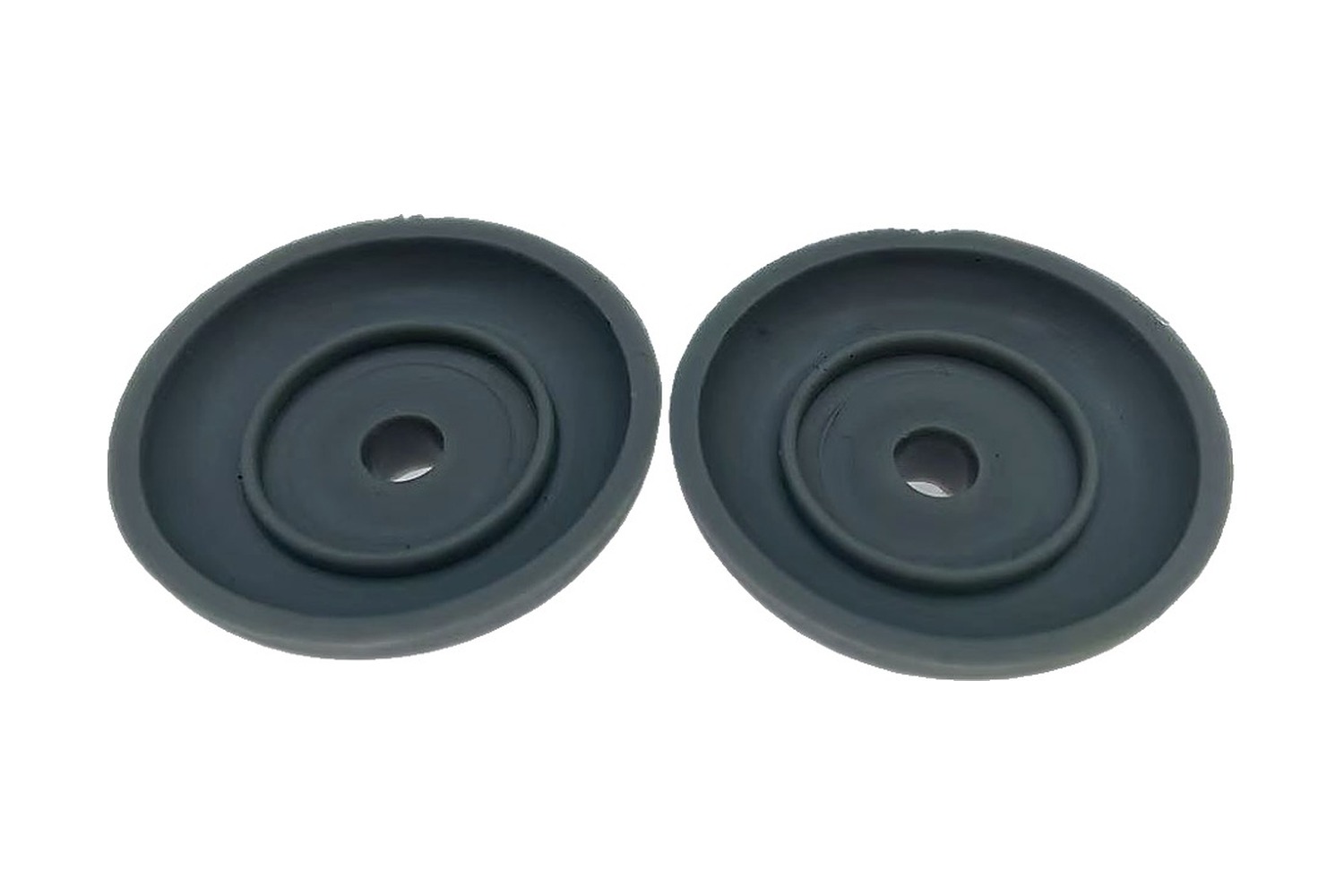 BFS-WAS-001
EPDM Sealing Washer with Bonded Metal Ring
Bonded EPDM and metal washer for compatible roofing fastener assemblies. Match the hole, outside diameter, backing material and compound to the screw and panel detail.
View technical detail
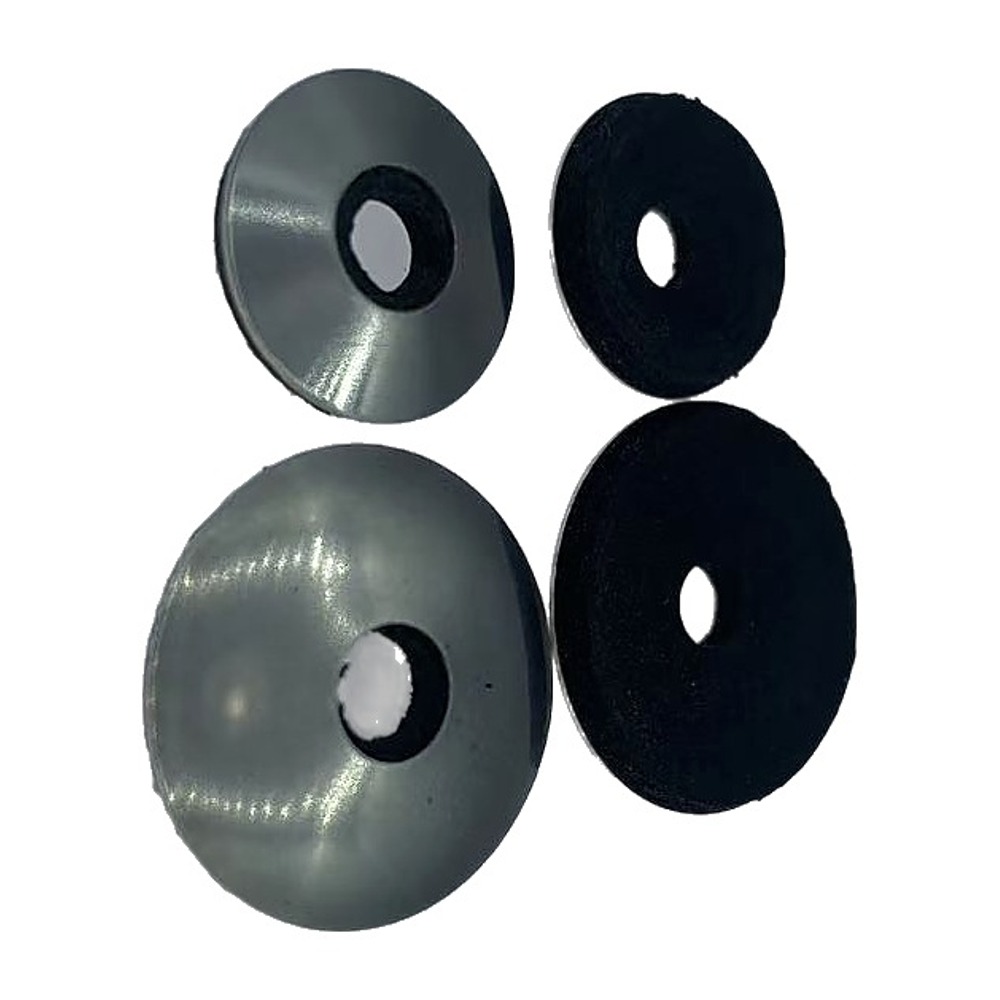 BFS-WAS-004
304 Stainless Steel Bonded EPDM Washer
304 stainless backing washer bonded to EPDM for selected external fastener assemblies. Specify the backing thickness, aperture, seal profile and compound.
View technical detail
A clear boundary helps prevent a visually similar fastener from being substituted into the wrong connection.
The more of this information is available, the faster the proposed family can be checked and quoted against the real installation.
Read the full application guideWall panel profile, material, thickness and orientation
Girt grade, thickness, spacing and any stand-off
Fixing positions, side laps, openings and perimeter zones
Required screw point, length, head, washer and material/finish
Panel/engineer schedule, exposure, quantity and evidence request
Have a drawing, section or site photo? Send the build-up and we can review the connection inputs with you.
Request a connection reviewShort answers for the sizing rules most often asked on this connection. The fastening schedule of the panel system or engineer always takes precedence.