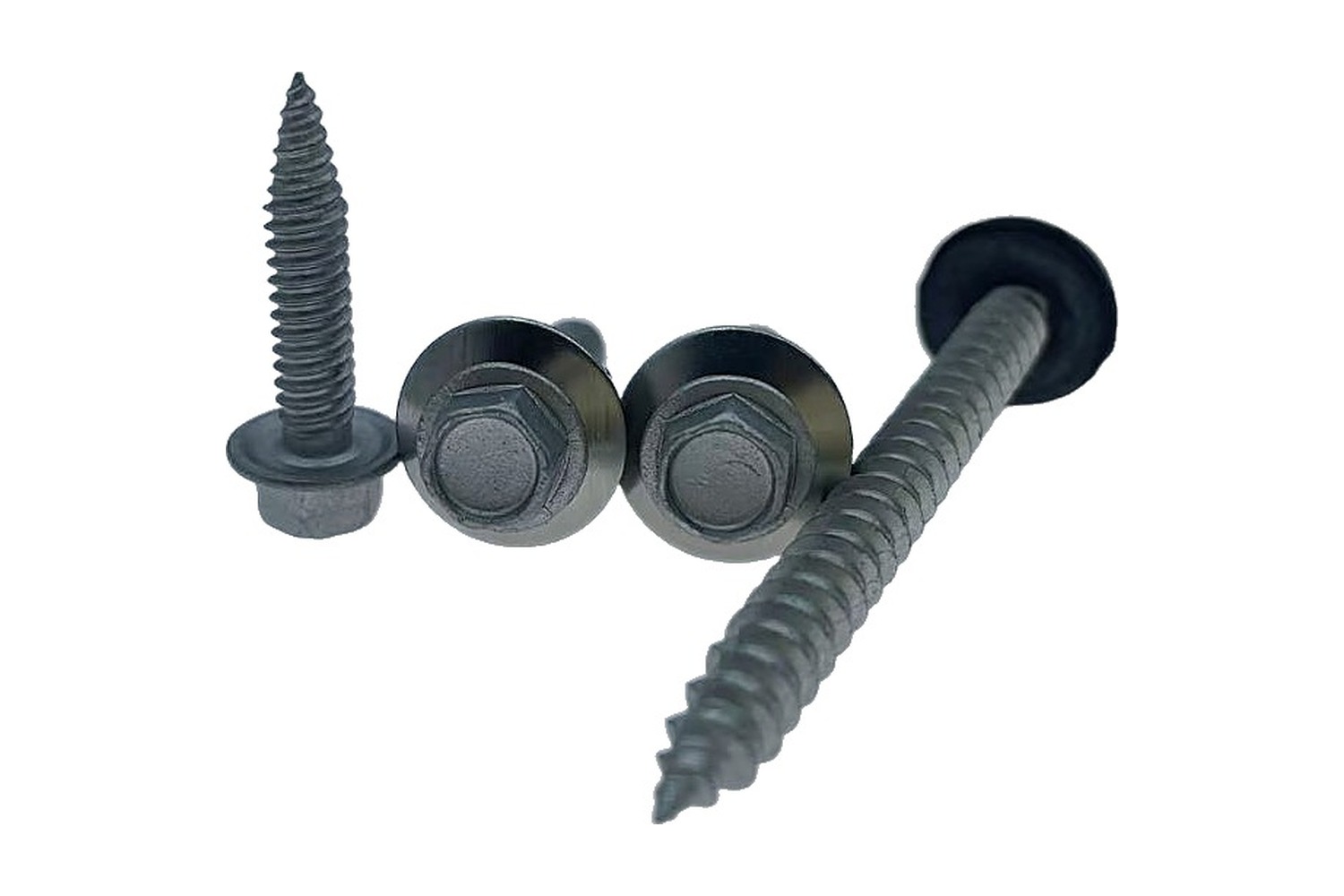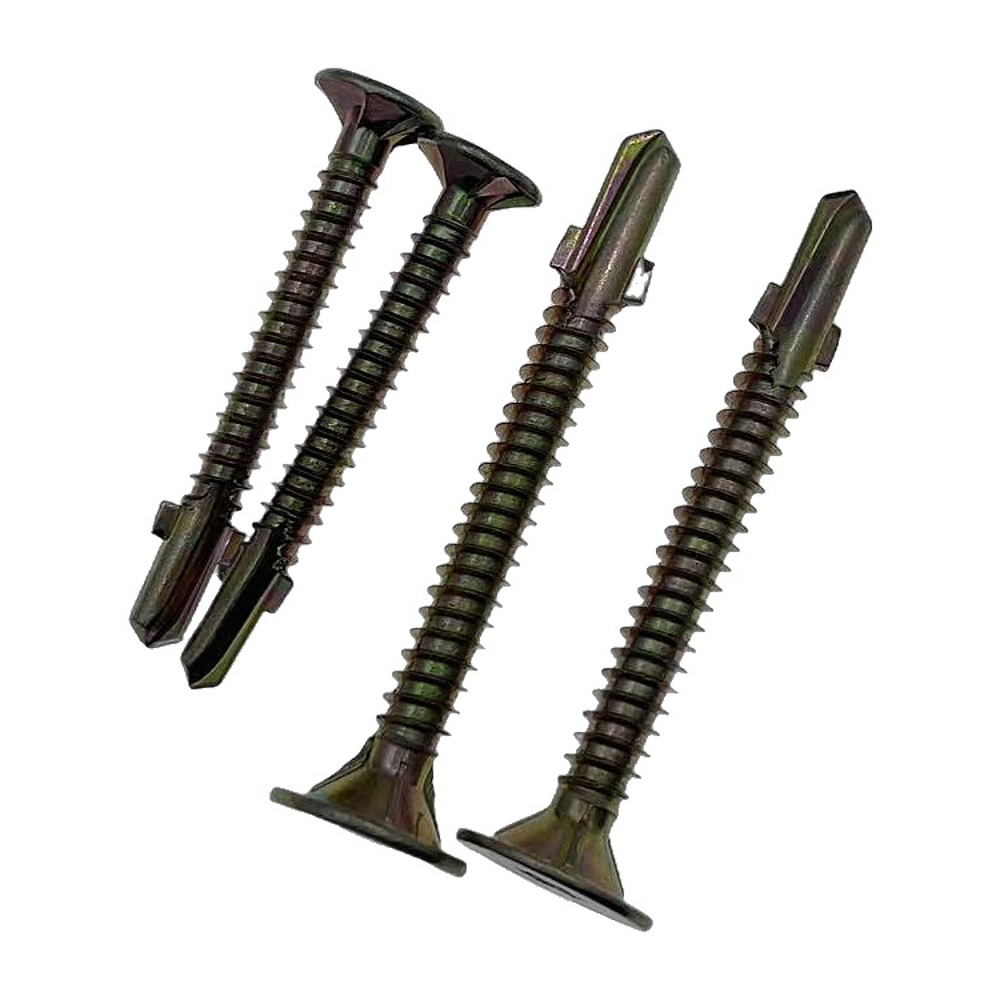
Timber or board
Record solid timber or engineered board, species, density, moisture and preservative treatment before choosing the screw.
Timber connections depend on the wood or board, moisture and treatment, member thickness, load direction and screw geometry. Choose the point, thread, head and material for the actual joint.

Use this guide for batten, board and timber-to-steel details where splitting, head seating, pilot-hole preparation and material compatibility affect the result.
These are the parts that control the fastener choice and the evidence needed for approval.
Record solid timber or engineered board, species, density, moisture and preservative treatment before choosing the screw.
Point, thread, head, drive and length determine pilot-hole needs, clearance, seating and thread engagement.
Check edge distance, splitting, pull-through, movement and whether the screw is carrying a designed structural load.
Send these inputs with the drawing or site information so the proposed family can be checked against the actual assembly.
Each answer narrows the correct point, thread, head, material, washer or accessory. It also shows where a product-family label is not enough.
Ask for a connection review| Connected materials | Solid timber, engineered board, batten-to-timber or board-to-steel; identify every layer and support |
|---|---|
| Point and thread | Type 17/sharp point, self-tapping or self-drilling variant, pilot-hole requirement and effective engagement |
| Head and drive | Countersunk, hex washer or pan head selected for the bearing surface, access and required finish |
| Environment | Timber species, treatment chemistry, moisture, exterior exposure and compatibility with coating or stainless grade |
| Trial installation | Sample joint using the proposed driver and settings; inspect splitting, pull-through, stripping and clamp-up |
These families answer different jobs inside the connection. Open the family or product detail to confirm the exact offered variant.
Hex washer and sharp-point families for timber details where the bearing surface and pilot-hole guidance match the joint.
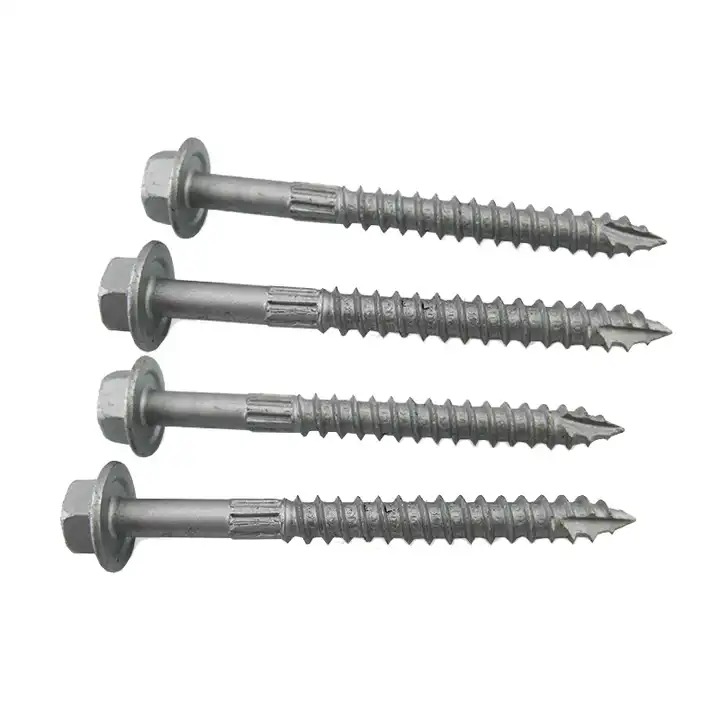 BFS-STS-001
Hex Washer Head Self-Tapping Screw
Hex washer head tapping screw for selected timber and sheet-metal connections. Sharp and Type 17 point options must be matched to the substrate and the required pilot-hole preparation.
View technical detail
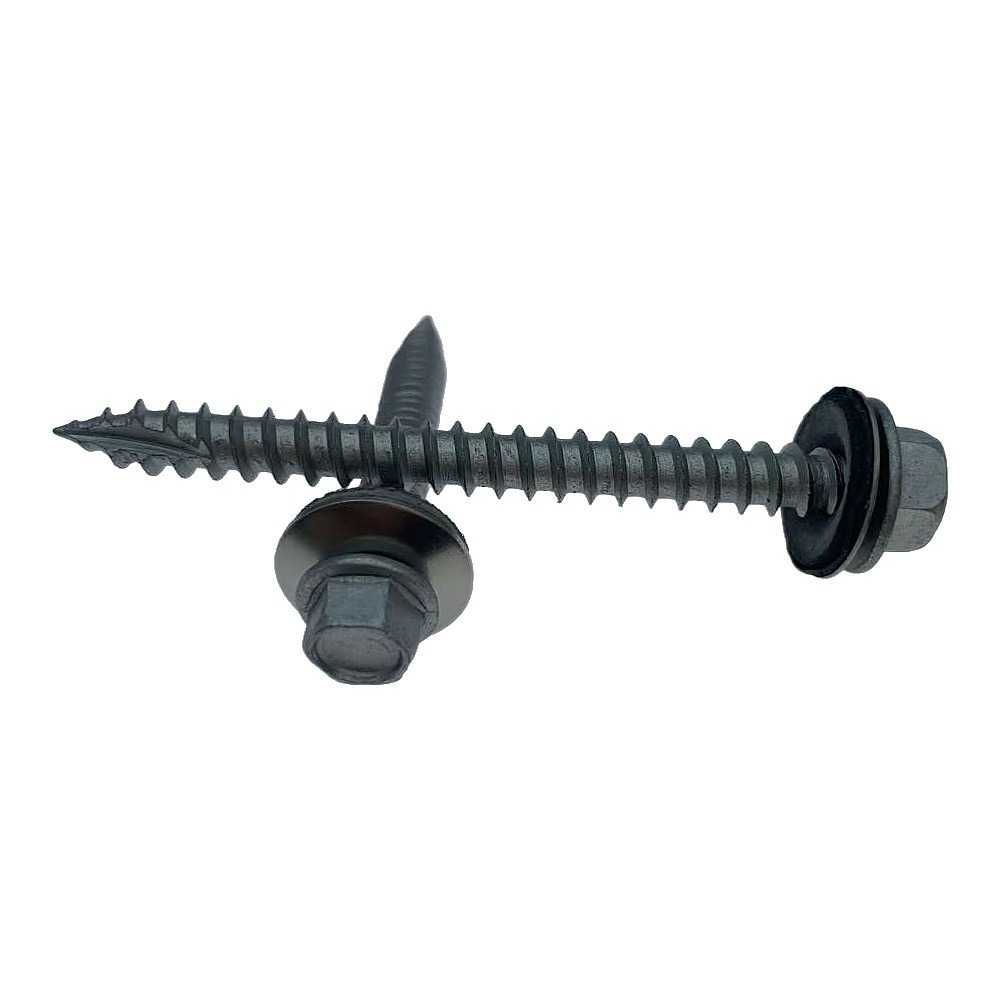 BFS-STS-003
Sharp Cut-Point Self-Tapping Screw
Cut-point tapping screw for selected timber and light assembly applications. Confirm pilot-hole preparation, thread engagement and head seating for the substrate.
View technical detail
Stainless self-tapping variants can suit selected exposure and material-compatibility requirements. Confirm grade and treatment compatibility.
Winged countersunk variants are a different connection function; confirm the board thickness, steel support and break-off behaviour.
A clear boundary helps prevent a visually similar fastener from being substituted into the wrong connection.
The more of this information is available, the faster the proposed family can be checked and quoted against the real installation.
Read the full application guideTimber/board type, species, treatment and moisture
Member thickness, edge distance and connected material
Point, thread, head, drive, material and finish
Joint load or intended fastening function
Sample, drawing, quantity and documentation requirement
Have a drawing, section or site photo? Send the build-up and we can review the connection inputs with you.
Request a connection review